Pressure ratings of forged steel valves are a critical aspect that every industry professional and valve user must understand. As a prominent supplier of forged steel valves, I have witnessed firsthand the significance of pressure ratings in ensuring the safe and efficient operation of various systems. In this blog, I will delve into the details of pressure ratings in forged steel valves, discuss their importance, and shed light on how they impact different applications. Forged Steel Valves
Understanding Pressure Ratings
Pressure ratings in forged steel valves refer to the maximum pressure that a valve can safely withstand under normal operating conditions. This rating is determined by a combination of factors, including the material properties of the valve, its design, and the manufacturing process. Forged steel valves are known for their robustness and durability, making them suitable for high – pressure applications.
The pressure rating of a valve is typically expressed in pounds per square inch (psi) or bars. For example, a valve with a pressure rating of 150 psi can safely operate at pressures up to 150 psi. It is crucial to note that exceeding the pressure rating of a valve can lead to catastrophic failures, such as leaks, bursts, or even explosions, which can pose serious risks to personnel and equipment.
Factors Affecting Pressure Ratings
Material Properties
The material used in the construction of forged steel valves plays a significant role in determining their pressure ratings. Forged steel is a popular choice due to its high strength and excellent resistance to corrosion. Different grades of forged steel have different mechanical properties, such as yield strength and tensile strength. Higher – grade steels can typically withstand higher pressures, which translates into higher pressure ratings for the valves made from them.
For instance, carbon steel is commonly used in forged steel valves. It offers good strength and is relatively cost – effective. However, for applications where higher pressures and better corrosion resistance are required, stainless steel or alloy steel may be used. These materials have superior mechanical properties and can be engineered to have higher pressure ratings.
Valve Design
The design of the valve also has a major impact on its pressure rating. The shape of the valve body, the thickness of the walls, and the configuration of the internal components all affect how well the valve can handle pressure.
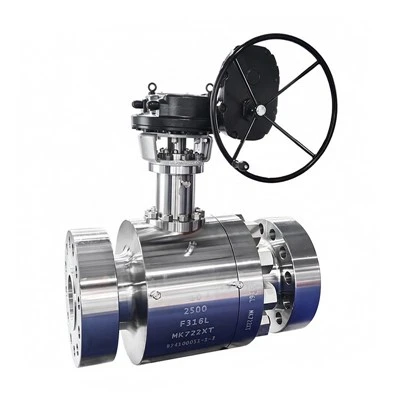
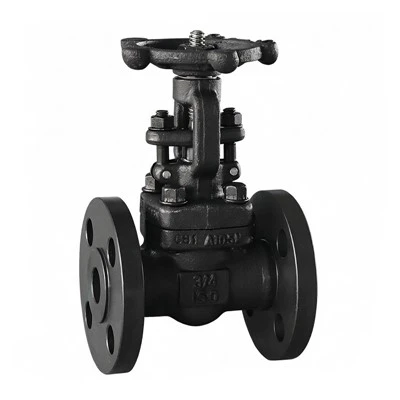
Classical valve designs, such as gate valves, globe valves, and ball valves, each have their own unique structural characteristics. Gate valves, for example, are designed to provide a straight – through flow path when fully open, which reduces pressure drop but may face challenges in withstanding very high pressures due to their relatively thin gate structure. On the other hand, ball valves have a more compact and robust design, which allows them to handle higher pressures in many cases.
Manufacturing Process
The quality of the manufacturing process is crucial for achieving the desired pressure ratings. Forged steel valves are made through a forging process, which involves shaping the metal under high pressure and temperature. This process aligns the metal grains, resulting in a stronger and more uniform structure compared to cast valves.
Proper heat treatment during the manufacturing process is also essential. Heat treatment can improve the mechanical properties of the forged steel, such as hardness and toughness, which in turn enhances the valve’s ability to withstand pressure. Additionally, precise machining of the valve components ensures a proper fit and seal, reducing the risk of leaks and pressure – related failures.
Different Pressure Classifications
ASME Pressure Classes
In North America, the American Society of Mechanical Engineers (ASME) has established a widely recognized system for classifying the pressure ratings of valves. The ASME B16.34 standard defines pressure classes such as 150, 300, 600, 900, 1500, and 2500.
A valve with a 150 – class rating is suitable for low – pressure applications, typically up to around 285 psi at 100°F. As the class number increases, the valve’s pressure – handling capacity also increases. For example, a 300 – class valve can handle higher pressures, up to around 740 psi at 100°F.
These pressure classes are based on a standard temperature of 100°F, and adjustments need to be made for different operating temperatures. Generally, as the temperature increases, the allowable pressure for a given valve class decreases due to the reduced strength of the material at elevated temperatures.
ISO Pressure Classes
Internationally, the International Organization for Standardization (ISO) also has its own pressure classification system. ISO standards, such as ISO 7005 – 1 for steel flanges and pipe fittings, provide a framework for pressure ratings that are used in many countries outside of North America.
The ISO pressure classes are expressed in nominal pressure ratings, such as PN 10, PN 16, PN 25, PN 40, etc. The "PN" stands for "Nominal Pressure," and the number indicates the nominal pressure in bars. For example, a PN 16 valve is designed to handle a maximum pressure of 16 bars under specific operating conditions.
Importance of Correct Pressure Ratings
Safety
One of the most important reasons for understanding and using the correct pressure ratings is safety. In industrial settings, valves are often used in systems that deal with hazardous substances, such as high – pressure steam, chemicals, or flammable gases. If a valve is installed with an incorrect pressure rating and is subjected to pressures beyond its capacity, it can fail, leading to leaks or explosions. This can cause severe damage to property, injury to personnel, and even loss of life.
System Efficiency
Using valves with the correct pressure ratings also ensures the efficient operation of a system. If a valve has a pressure rating that is too high for the application, it may be over – engineered and more expensive than necessary. On the other hand, if the pressure rating is too low, the valve may experience premature wear and tear, leading to increased maintenance costs and potential system downtime.
Compliance
In many industries, there are strict regulations and standards regarding the use of valves with appropriate pressure ratings. For example, the oil and gas industry, power generation plants, and chemical processing facilities are all subject to safety and environmental regulations. Using valves with the correct pressure ratings is essential for complying with these regulations and avoiding legal issues.
Selecting the Right Pressure Rating for Your Application
Evaluate System Pressure
The first step in selecting the right pressure rating for a forged steel valve is to accurately evaluate the maximum pressure that the system will experience. This includes considering both normal operating pressures and any potential pressure surges that may occur. For example, in a water supply system, normal operating pressures may be relatively low, but sudden valve closures can cause pressure surges that need to be accounted for.
Consider Temperature
As mentioned earlier, temperature has a significant impact on the pressure – handling capacity of a valve. When selecting a valve, it is important to consider the operating temperature of the system. If the system operates at high temperatures, a valve with a higher pressure rating may be required to compensate for the reduced strength of the material at elevated temperatures.
Consult with Experts
If you are unsure about which pressure rating to choose for your application, it is advisable to consult with experts in the field. As a forged steel valve supplier, I have a team of experienced engineers who can provide technical advice based on your specific requirements. They can help you analyze your system, consider all the relevant factors, and select the most suitable valve with the appropriate pressure rating.
Conclusion
As a supplier of forged steel valves, I understand the critical role that pressure ratings play in the performance and safety of industrial systems. By understanding the factors that affect pressure ratings, the different classification systems, and the importance of selecting the right rating for your application, you can ensure the reliable and efficient operation of your valves.
Ball Valve If you are in the market for forged steel valves and need to ensure that you are getting the right pressure ratings for your specific needs, I encourage you to reach out to us for further discussions. Our team is ready to provide you with detailed product information, technical support, and guidance throughout the procurement process.
References
- ASME B16.34 – Standard for Valves – Flanged, Threaded, and Welding End
- ISO 7005 – 1 – Steel Flanges and Pipe Fittings – Part 1: Steel Flanges
Zhejiang Chenxiang Valve Co., Ltd.
We are one of the most professional forged steel valves manufacturers and suppliers in China, also support customized service. We warmly welcome you to wholesale high quality forged steel valves in stock here from our factory. If you have any enquiry about quotation, please feel free to email us.
Address: No. 126 Zhongxing Road, Wenzhou Industrial Park, Longwan District, Wenzhou City, Zhejiang Province
E-mail: vip@chenxiangvalve.com
WebSite: https://www.cxindustrialvalve.com/
