As a provider of eco-friendly cosmetic packaging, I’ve witnessed firsthand the growing demand for sustainable solutions in the beauty industry. Consumers are increasingly conscious of the environmental impact of their purchases, and cosmetics brands are responding by seeking out packaging options that minimize harm to the planet. However, one question that often arises in these discussions is how the cost of eco-friendly packaging affects the pricing of cosmetics. In this blog post, I’ll delve into this complex issue, exploring the factors that contribute to the cost of eco-friendly packaging and how they translate into the final price of cosmetic products. Eco Friendly Cosmetic Packaging

Understanding the Cost Factors of Eco-Friendly Packaging
To understand how the cost of eco-friendly packaging impacts cosmetic pricing, it’s essential to first examine the factors that contribute to the higher cost of sustainable packaging solutions. Traditional packaging materials, such as plastic, are often cheaper to produce due to their widespread availability and well-established manufacturing processes. In contrast, eco-friendly materials, such as biodegradable plastics, paper, glass, and bamboo, may be more expensive for several reasons:
- Raw Material Costs: Many eco-friendly materials are derived from renewable or recycled sources, which can be more costly to obtain and process than traditional fossil fuel-based materials. For example, bioplastics, which are made from plant-based sources like corn starch or sugarcane, require specialized farming and processing techniques, which can drive up the cost of production.
- Production Processes: Eco-friendly packaging often requires more complex manufacturing processes to ensure that the materials are sustainable and meet environmental standards. These processes may involve additional steps, such as recycling or composting, which can increase production time and costs. For example, producing glass packaging requires high temperatures and energy-intensive processes, making it more expensive than plastic alternatives.
- Research and Development: Developing new eco-friendly packaging solutions requires significant investment in research and development to ensure that the materials are effective, safe, and environmentally friendly. This investment in innovation can drive up the cost of eco-friendly packaging materials and technologies.
- Certifications and Compliance: To meet consumer demand for sustainable products, many eco-friendly packaging materials must be certified to meet various environmental standards, such as Forest Stewardship Council (FSC) certification for paper products or Cradle to Cradle (C2C) certification for packaging materials. These certifications require additional testing and compliance costs, which are passed on to the consumer.
Impact on Cosmetic Pricing
The higher cost of eco-friendly packaging directly affects the pricing of cosmetic products in several ways. Firstly, the increased cost of materials and production processes is typically passed on to the consumer in the form of higher product prices. Cosmetics brands may need to charge more for their products to cover the additional expenses associated with using eco-friendly packaging. This can make eco-friendly cosmetics more expensive than their traditional counterparts, potentially limiting their appeal to price-sensitive consumers.
However, it’s important to note that the pricing of cosmetic products is not solely determined by the cost of packaging. Other factors, such as the quality of ingredients, brand reputation, marketing expenses, and distribution costs, also play a significant role in determining the final price of a product. In some cases, brands may choose to absorb some of the additional costs associated with eco-friendly packaging to remain competitive in the market. This may involve finding ways to reduce costs in other areas of the business or adjusting profit margins.
Another factor to consider is the potential for cost savings in the long run. While eco-friendly packaging may be more expensive upfront, it can offer significant cost savings over time. For example, biodegradable or compostable packaging materials can reduce waste management costs for both the brand and the consumer. Additionally, using sustainable packaging can enhance a brand’s reputation and appeal to environmentally conscious consumers, potentially leading to increased sales and market share.
Consumer Perception and Willingness to Pay
Consumer perception and willingness to pay for eco-friendly cosmetics also play a crucial role in how the cost of eco-friendly packaging affects pricing. In recent years, there has been a growing trend among consumers towards sustainable and ethical consumption. Many consumers are willing to pay a premium for products that are environmentally friendly, cruelty-free, and socially responsible. A study by Nielsen found that 73% of global consumers are willing to change their consumption habits to reduce their environmental impact, and 66% are willing to pay more for sustainable products.
However, the willingness to pay for eco-friendly cosmetics can vary depending on several factors, including the consumer’s income level, values, and awareness of environmental issues. Some consumers may be more price-sensitive and less willing to pay a premium for sustainable products, while others may prioritize environmental sustainability over price. Cosmetics brands need to understand their target audience and tailor their pricing strategy accordingly.
Strategies for Managing Costs
As an eco-friendly cosmetic packaging supplier, I understand the challenges that brands face in managing the cost of sustainable packaging. To help brands overcome these challenges, I offer several strategies for reducing the cost of eco-friendly packaging without compromising on quality or sustainability:
- Material Selection: Choosing the right materials is crucial for minimizing the cost of eco-friendly packaging. By working closely with brands to understand their specific needs and budget, I can recommend the most cost-effective materials that meet their sustainability goals. For example, using recycled or upcycled materials can significantly reduce the cost of packaging while still maintaining a high level of environmental performance.
- Design Optimization: Optimizing the design of packaging can also help to reduce costs. By using less material, streamlining the manufacturing process, and minimizing waste, brands can lower the cost of production without sacrificing the functionality or aesthetics of the packaging. For example, using a minimalist design approach or incorporating innovative features, such as reusable or refillable packaging, can help to reduce costs and enhance the sustainability of the product.
- Volume Discounts: Working with a reliable packaging supplier like me can also help brands to achieve cost savings through volume discounts. By ordering larger quantities of packaging materials, brands can take advantage of economies of scale and negotiate better prices. Additionally, consolidating orders with a single supplier can reduce shipping costs and simplify the procurement process.
- Long-Term Partnerships: Building long-term partnerships with packaging suppliers can also help brands to manage costs and improve sustainability. By working closely with a supplier over time, brands can develop a better understanding of their needs and preferences, and the supplier can provide customized solutions that meet their specific requirements. Additionally, long-term partnerships can lead to cost savings through improved efficiency, innovation, and collaboration.
Conclusion
In conclusion, the cost of eco-friendly packaging has a significant impact on the pricing of cosmetics. While eco-friendly packaging may be more expensive than traditional packaging materials, it offers several benefits, including reduced environmental impact, enhanced brand reputation, and potential cost savings in the long run. Cosmetics brands need to carefully consider the cost implications of using eco-friendly packaging and develop a pricing strategy that balances sustainability with affordability.
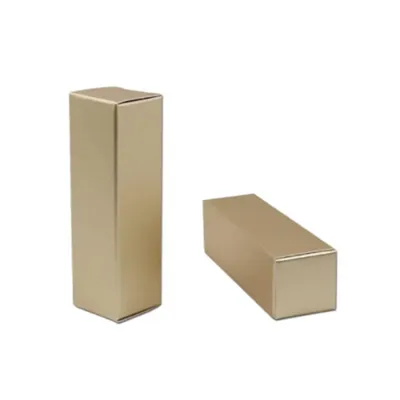
As a leading provider of eco-friendly cosmetic packaging, I am committed to helping brands navigate the challenges of sustainable packaging and find cost-effective solutions that meet their needs. By working together, we can create a more sustainable future for the beauty industry and help consumers make more environmentally friendly choices.
Cosmetic Tubes If you’re interested in learning more about our eco-friendly cosmetic packaging solutions or would like to discuss your packaging needs, please don’t hesitate to contact me to initiate a procurement discussion.
References
- Nielsen. (2018). Sustainable Shopping: Consumers More Willing Than Ever to Pay for Sustainability.
- European Commission. (2018). Packaging and Packaging Waste Directive.
- International Organization for Standardization (ISO). (2018). ISO 14001: Environmental Management Systems.
Shanghai Medellin Technology Co., Ltd.
As one of the most professional eco friendly cosmetic packaging manufacturers and suppliers in China, we serve over 200 renowned cosmetic companies in Italy and France. Please rest assured to wholesale bulk high quality eco friendly cosmetic packaging from our factory. Also, custom service is available.
Address: No. 298, Lianrong Building, Linping District, Hangzhou, Zhejiang, China
E-mail: sales@toppackaging.cn
WebSite: https://www.medellin-cn.com/
