As a passenger elevator supplier with decades of experience designing, installing, and maintaining elevators for everything from small commercial offices to 50-story residential towers, I’ve spent countless hours on job sites, talking to building managers, and troubleshooting why some buildings seem to bleed energy through their vertical transportation systems. For a long time, most facility teams focused on HVAC, lighting, and office equipment as the biggest energy drains— but the numbers tell a different story. Modern elevators can account for 5% to 10% of a mid-rise commercial building’s total energy use, and in high-rise towers, that figure often climbs closer to 15%. The single biggest variable driving that consumption isn’t the size of the elevator or its motor power—it’s elevator traffic: how people move through the building day in and day out. Passenger Elevators
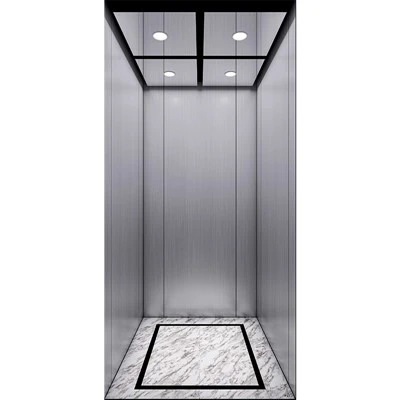
Let’s start with a basic breakdown of how elevators use energy. Every time an elevator cabin travels up or down, it has to overcome its own weight, plus the weight of passengers and any loads it’s carrying. Counterweights, which balance roughly 40% of the cabin’s weight, help, but elevators still need to consume energy to start and stop, adjust speed, and run auxiliary systems like door motors, lighting, and control panels. That’s where traffic comes in. If a building has predictable, consistent traffic patterns, elevators can run in the most energy-efficient way possible—adjusting speed to match demand, routing multiple cars to minimize empty trips, and using regenerative drives that feed excess energy back into the building’s grid. But when traffic is erratic, misaligned with elevator system design, or mismanaged, that efficiency goes right out the window.
I’ll use a common example from my work: a 12-story suburban office building we equipped three years ago. The original elevator system was a pair of 2,000-pound traction elevators, installed for a projected peak traffic load of 12 people per car during morning rush hour. But when the building filled up with tech companies, every worker arrived between 8 and 9 a.m. That created a crush load: every car was at full capacity, waiting for 15 to 20 seconds on each floor because the control system couldn’t handle the sudden surge. The building’s energy bills jumped by nearly 8% that year, and when we did an audit, we found the elevators were running 30% more trips than they were designed for—many of them half-empty, because the control system couldn’t route cars efficiently. We upgraded their destination dispatch software, which groups passengers going to the same floor into the same car, and adjusted the motor settings to use regenerative braking during slow periods. Within six months, elevator-related energy use dropped by 22%. That’s the real impact of traffic: a mismatch between how a building is used and how its elevators operate can erase efficiency gains from hardware upgrades.
Another key point is traffic type, which varies drastically across building types, and each has a unique energy footprint. Residential buildings, for example, have repetitive traffic: morning residents heading out, evening arrivals, and consistent midday trips. A 2022 study from the International Association of Elevator Engineers (IAEE) found that residential elevators with variable frequency drives (VFDs) – which adjust motor speed based on demand – use 18% less energy than older systems, because they don’t run at full speed when only one person is riding. But if a residential building has a lot of amenities—like a gym, a rooftop lounge, or underground parking—traffic becomes more unpredictable, with people moving between floors at all hours. That can force elevators to run standby mode more often, or send extra cars to busy floors, wasting energy. We worked on a 35-story luxury apartment building last year where residents were using elevators to go down just a single floor, even though stairs were available. The elevators were making hundreds of unnecessary small trips every day, which added up to an extra 11% of the building’s elevator energy use. We installed weight sensors that adjust door close timing and reduce idle speed when the car is nearly empty, and worked with the building’s management to add signage encouraging short trips to use stairs. Within a year, those unnecessary trips dropped by 40%, and energy use fell by another 9%.
Office buildings, by contrast, have two very distinct peak periods: morning arrival and evening departure. Midday traffic is usually low, and weekends are almost zero. A 2021 report from the U.S. Department of Energy (DOE) found that office elevators consume 35% more energy during peak rush hours than during off-peak times, because the system is constantly accelerating, decelerating, and rerouting to catch up with demand. The problem with rush hour isn’t just the number of trips—it’s the unbalanced traffic. If all 200 workers in a 10-story building arrive in a 60-minute window, elevators can’t keep up, so they make extra trips, stop more frequently, and run their motors at higher power than necessary. On the flip side, empty trips—when an elevator travels from a lower floor to pick up passengers, or drops off a passenger and goes back to another floor without anyone inside—can account for 25% of an office building’s elevator energy use. We saw this in a 15-story financial district office building where a single elevator was assigned to the basement parking and lobby, and the other two were split between upper floors. During morning rush, the parking elevator would run empty up to eight times per hour, because it couldn’t keep up with demand for lobby service. We rebalanced the elevator zones: one for the lobby and parking, and the other two for floors 5 to 15. That cut empty trips by 60% and reduced energy use by 17%.
High-rise buildings add another layer: vertical travel distance and express stops. A 50-story tower’s elevators often have express cars that skip intermediate floors during rush hour, which is more efficient than stopping at every floor for short trips. But if traffic isn’t aligned with that design—for example, if workers from multiple floors all try to use the same express car—you end up with long waits, extra trips, and wasted energy. The IAEE study found that high-rise elevators are 20% less energy efficient than mid-rise systems, because the longer travel distances mean more energy is used for acceleration and deceleration. However, when high-rise buildings use destination dispatch software to group passengers by floor, that efficiency gap shrinks to just 7%, because the system can route cars to minimize travel time and empty trips. We recently worked on a 40-story mixed-use building with retail on the first two floors, offices on floors 3 to 15, and residential on 16 to 40. The original system had four separate elevators serving each zone, which led to frequent overcrowding on the residential side and empty trips on the office side. We installed a destination dispatch system that lets users enter their floor before stepping into the lobby, then assigns the closest, most appropriate car. Now, retail customers use the first two elevators, office workers use the middle two, and residents use the top two. The building’s energy bills for elevators dropped by 24% in the first year, and wait times fell by 40% for all users.
It’s also important to address common misconceptions. A lot of building owners think that upgrading to a new, high-efficiency elevator motor is enough to cut energy use—but our experience shows that optimizing traffic is even more impactful. For example, a 2019 DOE audit found that a new high-efficiency elevator motor uses about 10% less energy than a standard motor, but adjusting traffic routing to reduce empty trips can save 20% to 30% on elevator energy use. That’s a huge difference. Another misconception is that smaller buildings don’t have major traffic-related energy issues. A 5-story retail building we serviced last year had three elevators that were installed for a small food court, but when the owner added a multi-level cinema, traffic jumped 40% on weekends. The elevators were running almost constantly during evening showtimes, with almost no downtime, so their motors were running at peak capacity the whole time. We installed a variable voltage transformer that adjusts the motor’s power based on load, and adjusted the schedule of standby mode so elevators only lower their power when they’re not in use for more than 10 minutes, instead of 5. That cut weekend energy use by 19%, with no need to replace any equipment.
Of course, there are limits to how much you can adjust traffic—buildings are used by people, and people will always move how they move. But as an elevator supplier, our goal isn’t just to sell equipment—it’s to design systems that work with a building’s natural traffic patterns, not against them. That starts with a full traffic analysis before we even install an elevator. We pull data from similar buildings in the area, talk to the building’s future occupants about how they plan to use the elevators, and model different traffic scenarios to see what will work best. For example, a hospital has very different traffic than a university dorm: hospitals have emergency patients that need immediate service, plus staff moving between floors at all hours, while dorms have peak traffic at move-in and move-out days. Our traffic analysis for a hospital we’re working on now included modeling for emergency vehicles, private patient transfers, and staff shifts, so the elevator system will prioritize urgent trips without wasting energy on unnecessary stops.
I often get asked: if traffic has such a big impact, why don’t more building managers focus on it? The answer is simple: most people don’t realize it’s a variable. They think elevators are “set it and forget it” systems, but they’re actually dynamic, and their energy use changes drastically based on how people use them. That’s why we offer energy audits for existing buildings, not just new installations. We come in, run traffic sensors for a week, track how many trips are made, how many are empty, peak times, and average load, then make recommendations for software updates, routing changes, or small hardware adjustments that can save a lot of energy. Last year, we did an audit for a 20-story university library building, and found that 45% of elevator trips were under two floors—people going from the first to the third floor, or the third to fifth. We worked with the university to add a shuttle lift for short trips between the first five floors, which are the most used, and kept the main elevators for floors 6 to 20. That cut the main elevators’ trip count by 30% and reduced their energy use by 21%. It’s a small change, but it made a huge difference.
Looking ahead, as buildings get taller and more dense, traffic-related energy use will only become more important. The International Energy Agency projects that global commercial building floor space will double by 2050, and vertical transportation will account for a larger share of that energy use. That means there’s a growing need for elevator systems that are designed with traffic in mind—not just the peak times, but the off-peak times, the unexpected trips, and the unique needs of each building. As a supplier, we’re investing more in software that can learn traffic patterns over time, adjust itself automatically, and even integrate with building management systems to coordinate elevator use with HVAC or lighting schedules. For example, if a building’s HVAC system is running at a lower level at night, the elevator system can reduce its standby power use, because fewer people are moving. That kind of integration is the future of efficient elevators.
If you’re a building manager, architect, or owner who’s noticed high energy bills from your elevators, or wait times that are too long, the first step is to understand your traffic. Don’t just replace your elevators without looking at how they’re used in your building—because even the most efficient elevator won’t save energy if it’s designed for traffic patterns that don’t exist. We’ve seen too many clients spend tens of thousands of dollars on new equipment, only to find that their old system was wasting energy because of bad routing or underused zones. Let us help you do a traffic analysis, see where your elevator energy is going, and find solutions that work for your specific building. Whether you need a software update, a zoning adjustment, or a full system upgrade, we can tailor a solution that cuts energy use without sacrificing performance.
Residential Elevators References:
International Association of Elevator Engineers. (2022). Traffic Patterns and Elevator Energy Efficiency in Multi-Use Buildings.
U.S. Department of Energy. (2021). Energy Consumption in Commercial Vertical Transportation Systems.
International Energy Agency. (2023). Future of Vertical Transportation in Urban Buildings.
Ningbo Dongao Elevator Co., Ltd.
As one of the most experienced passenger elevators manufacturers and suppliers in China, we also support customized service. We warmly welcome you to buy high quality passenger elevators for sale here from our factory. For quotation, contact us now.
Address: No. 16 Xiapan Road, Ninghai County, Ningbo City, Zhejiang Province
E-mail: 13777289058@163.com
WebSite: https://www.daelevator.com/
