If you’ve ever placed a large, heavy load in a warehouse or watched a logistics team stretch a fabric skid to move bulk goods without damaging boxes, you’ve likely encountered flexible pallets—one of the most underrated workhorses in modern supply chain operations. As a flexible pallet supplier, I get dozens of questions every week about why these pallets stand apart from their rigid wooden or plastic counterparts, and more specifically, what materials go into making them work as hard as they do, load after load, shift after shift. Unlike standard pallets, which are built from solid lumber or injection-molded plastic, flexible pallets are engineered to bend, stretch, and conform to irregular loads, while still holding up to hundreds of pounds of pressure, harsh warehouse environments, and the rough and tumble of transit. Today, I want to pull back the curtain on the science and craftsmanship that goes into every flexible pallet we ship out, breaking down the key materials, how they’re chosen, and why they matter for anyone moving or storing goods. Flexible Pallet
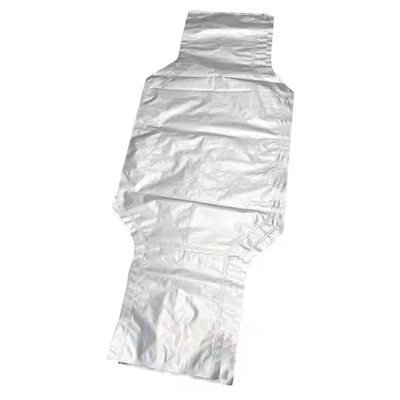
Let’s start with the core: the base layer of almost every flexible pallet is a high-strength woven fabric, and not just any fabric. The best ones are built from industrial-grade polypropylene (PP) or polyester fibers, two synthetic polymers that are non-negotiable for the balance of strength, flexibility, and durability that we (and our clients) demand. I’ll be honest—when I first started in this industry a decade ago, I thought polyester was the obvious choice because it’s stronger than PP, but after years of testing loads ranging from 500-pound bags of grain to 1,500-pound stacks of retail boxes, I’ve learned each has a clear use case, and picking the right one is half the battle.
Polypropylene is the workhorse of flexible pallets for most general applications. It’s lightweight, which cuts down on overall load weight (a huge win for logistics teams counting every pound to meet shipping weight limits) and it’s resistant to most common warehouse chemicals, including mild acids, oils, and cleaning solutions. What makes woven polypropylene so special is how it’s manufactured: the fibers are extruded into thin, flat strands, then heated and stretched to align the molecular chains, which boosts their tensile strength dramatically. When these strands are woven into a tight, grid-like pattern—usually with a 10×10 or 12×12 thread count per square inch—they create a fabric that can stretch about 15% under load before deforming, which is perfect for wrapping around irregular items like crates or bags that won’t sit flat on a rigid pallet. That stretch also reduces the risk of tearing during forklift tines insertion, a pain point we hear about all the time from clients who’ve had wooden pallets splinter or break when tines catch on a rough edge. That said, polypropylene does have a downside: it’s more prone to UV degradation if left out in direct sunlight for long periods. For that reason, we never recommend polypropylene pallets for outdoor storage or long-term exposure to sunlight, which is why we offer a UV-stabilized version if a client needs that, but we still mostly stick to polyester for those high-exposure use cases.
Polyester, by contrast, is the heavyweight of flexible pallet fabrics. It has twice the tensile strength of polypropylene, can stretch only about 5% under load, and is almost completely resistant to UV radiation, making it the go-to for outdoor construction material, bulk agricultural goods, and long-term storage applications. We recently supplied a set of polyester flexible pallets to a farm supply company moving 2,000-pound stacks of hay bales, and those pallets still look like new two years later, even after being left in a field through multiple thunderstorms and months of full sun. The only tradeoff with polyester is that it’s slightly heavier than polypropylene, so it’s not ideal for shipments where every pound counts, but for durability in harsh conditions, it’s unbeatable. That said, we rarely use polyester in its pure form for the entire fabric layer—most of our best flexible pallets blend a small percentage of high-tenacity nylon fibers into the weave for a little extra give. Nylon is even more elastic than PP, and adding 5% to 10% nylon to the weave lets the pallet adjust slightly to uneven loads without tearing, which is a small tweak that makes a huge difference for clients moving fragile items like glass jars or ceramic tiles.
Now, the fabric alone wouldn’t hold up to a forklift driving at full speed over it, or a 1,200-pound load shifting during transit. That’s where the next critical layer comes in: the reinforcement panels and edge strips. This is where we see a lot of cheap suppliers cut corners, and it’s also the part that has the biggest impact on a pallet’s lifespan. Most flexible pallet manufacturers use either high-density polyethylene (HDPE) or woven aramid fiber for reinforcement, and I can tell you from experience that aramid is worth the extra cost for clients who use their pallets daily.
HDPE reinforcement strips are the most common for mid-range flexible pallets. They’re thin, rigid, and heat-fused to the edges and corners of the fabric base, and they act like the steel frame of a building—they give the pallet structure, so it doesn’t collapse when you place a load on it, and they provide a smooth surface for forklift tines to slide under without catching the fabric. The best HDPE strips are made from virgin resin, not recycled plastic, because recycled HDPE is more brittle and will crack after a few dozen uses. We test every batch of HDPE strips by bending them 180 degrees to make sure they don’t fracture, because a broken edge strip is the #1 cause of flexible pallet failure. That said, HDPE is not great for extreme cold—temperatures below 20 degrees Fahrenheit make it brittle, so we switch to aramid fiber strips for clients operating in warehouses in places like Minnesota or Canada, where winter temperatures can be brutal.
Aramid fiber reinforcement is what you’ll find in the top-tier flexible pallets. Aramid is the same fiber used in bulletproof vests, and it’s extremely resistant to both heat and cold—its tensile strength doesn’t drop even at temperatures as low as -40 degrees or as high as 200 degrees. It’s woven into narrow, high-strength strips that are sewn (not glued, which can peel apart) to the corners and base of the pallet, and it can withstand over 1,000 load cycles without showing signs of wear. We have a client that runs a 24/7 logistics operation in Chicago, and their aramid-reinforced flexible pallets have been in use for three years, moving 10,000-pound loads of metal parts, and they’re still as strong as the day we delivered them. The downside is that aramid is more expensive, so we only use it for clients with heavy-use applications or extreme environmental conditions, but it’s worth every penny for someone looking to reduce replacement costs long-term.
Next, we have the lifting mechanism—another part that many people overlook, but it’s what makes a flexible pallet actually functional. The best flexible pallets use either integrated fork pockets or reinforced lift loops, and both need to be made from materials that can handle repeated tugging and pulling. For standard warehouse use, integrated fork pockets are the most popular. These are sleeves sewn into the underside of the pallet, aligned with the fork tine spacing of standard wooden pallets (usually 40 inches apart, to fit standard forklifts), and they’re made from heavy-duty nylon webbing. The webbing is doubled up and reinforced with polypropylene fibers to prevent it from tearing when forklift operators insert or remove tines. We always size the fork pockets to fit both standard and oversize tines, because nothing is more frustrating than a pallet that doesn’t work with your equipment. For clients that use manual lift trucks or hand trucks, we also offer flexible pallets with reinforced lift loops made from the same aramid fiber as our top-tier reinforcement strips. These loops are sewn to the top of the pallet, so you can lift the entire pallet by hand without needing a forklift, and they’re strong enough to hold 1,500 pounds of load without stretching.
Wait, there’s one more material that’s almost universal in modern flexible pallets, and that’s the coating. No matter how strong the fabric or reinforcement is, a flexible pallet that absorbs water, dust, or oil will deteriorate quickly. That’s why we apply a polyurethane coating to every flexible pallet we manufacture, and it’s not just a thin layer of paint—we use a water-based, scratch-resistant polyurethane that seeps into the weave of the fabric, not just sits on top. This coating repels water, so the pallet won’t mold or mildew if it’s exposed to damp storage areas, it blocks dust and fine particles from getting trapped in the fabric, and it creates a barrier against oils and chemicals that would otherwise break down the polypropylene or polyester fibers. We also offer a food-safe coating for clients moving food products, because regular polyurethane can leach chemicals into food, especially if the pallet is used for warm goods. That coating is FDA-approved, and it’s non-toxic, which is a requirement for any food-grade supply chain.
I’ve spent a lot of time talking about materials, but I also want to touch on something that’s just as important as the materials themselves: how they work together to create a flexible pallet that’s better than alternatives. Wooden pallets, for example, are prone to splintering, which can damage goods and create safety hazards for workers, and they need to be replaced every 10 to 15 uses. Flexible pallets, by contrast, can be used 50 to 100 times, depending on the load and environment, which saves companies thousands of dollars a year in replacement costs. A standard wooden pallet costs around $10 to $15, while a flexible pallet costs $25 to $35, but if you use it 75 times, that works out to about $0.35 per use, compared to $1 per use for a wooden pallet. That math adds up fast for any business moving large volumes of goods.
I’ve also had clients ask me if flexible pallets are better for the environment, and the short answer is yes, if you use them repeatedly. Wooden pallets are often discarded after just a few uses, and most end up in landfills, where they take decades to decompose. Flexible pallets, since they last so long, create far less waste, and many of the materials we use—polypropylene and polyester—are recyclable at the end of their life. We take back all our used pallets for recycling, so clients don’t have to worry about disposing of them, and that’s a service we’re proud to offer.
At the end of the day, a flexible pallet is only as good as the materials that go into it, and that’s why we don’t cut corners on quality. Every batch of fabric we source is tested for tensile strength and flexibility, every reinforcement strip is inspected for brittleness, and every pallet is load-tested at 120% of its rated capacity before it leaves our warehouse. We’ve seen too many cheap flexible pallets on the market that use thin fabric, recycled reinforcement, and flimsy coatings, and they fail after a handful of uses, costing clients more money in the long run. Our focus is on building pallets that work as hard as our clients do, whether they’re moving cargo across the country, storing goods in a dusty warehouse, or operating in extreme climates.
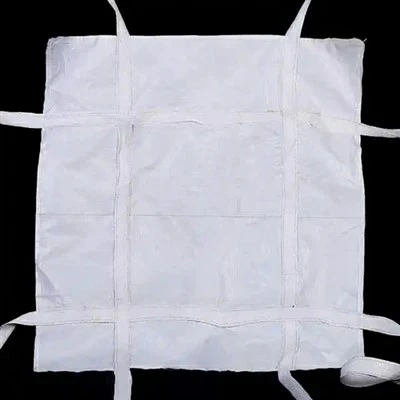
If you’re tired of replacing wooden pallets every few months, dealing with splinters and safety hazards, or paying for pallets that can’t adapt to irregular loads, I’d love to talk to you about our flexible pallets. We can help you pick the right materials for your specific application—whether you need a lightweight polypropylene pallet for general shipping, a UV-stabilized polyester pallet for outdoor storage, or a top-tier aramid-reinforced pallet for heavy-use operations. We offer custom sizes too, if standard pallets don’t fit your load requirements, and we provide bulk pricing for large orders. Don’t waste money on low-quality pallets that don’t hold up. Reach out to us today to discuss your needs, and we’ll be happy to provide a quote and answer any questions you have.
Aluminum Foil Bag References
- Horrocks, A. R., & Anand, S. C. (2000). Handbook of Technical Textiles. Woodhead Publishing.
- Klein, A. N. (2011). Polymer Surfaces, Interfaces, and Adhesion. CRC Press.
- Townsend, P. (2015). Industrial Packaging: Design, Materials, and Performance. Wiley.
- Occupational Safety and Health Administration (OSHA). (2022). Pallet Safety Guidelines for Warehousing and Material Handling. U.S. Department of Labor.
- European Commission. (2019). Sustainable Packaging: Life Cycle Assessment of Flexible Packaging Solutions.
Heze Jinniu Plastics Co., Ltd.
As one of the most professional flexible pallet manufacturers in China, we have world-leading production equipment and strong manufacturing capabilities. Please rest assured to wholesale bulk high quality flexible pallet for sale here from our factory.
Address: South section of Renmin Road, Heze City, Shandong Province
E-mail: lishaobin2379@163.com
WebSite: https://www.jnbulkbags.com/
