Hey there! I’m a supplier in the instrumentation business. Over the years, I’ve seen firsthand how modern instrumentation has evolved, especially when it comes to safety features. In this blog, I’m gonna share some of the key safety features of modern instrumentation that you should know about. Instrumentation

1. Over – Current and Over – Voltage Protection
Let’s start with over – current and over – voltage protection. In any instrumentation setup, electrical components are at the heart of the system. But electrical surges can be a real headache.
Over – current can damage sensitive components, and in extreme cases, it can even cause a fire. That’s why modern instrumentation is designed with over – current protection circuits. These circuits monitor the current flowing through the device. If the current exceeds a pre – set limit, the circuit will automatically shut off the power or divert the excess current to a safe path.
Over – voltage is another issue. Voltage spikes can happen due to lightning strikes, power grid fluctuations, or faulty power supplies. Modern instruments usually have voltage regulators and surge protectors. Voltage regulators keep the voltage at a stable level, while surge protectors absorb and dissipate the excess voltage. For example, in a high – precision measuring instrument, a sudden voltage spike could cause inaccurate readings or even damage the internal sensors. With over – voltage protection, this risk is significantly reduced.
2. Grounding and Isolation
Grounding is a fundamental safety feature. It provides a low – resistance path for electrical current to flow into the earth. In instrumentation, grounding helps to prevent electrical shock and protects the equipment from electrostatic discharge (ESD). When the instrument is properly grounded, any stray electrical charges are safely redirected to the ground, rather than building up on the device and posing a hazard to users or damaging the components.
Isolation is also crucial, especially in applications where there are different electrical systems or high – voltage sources nearby. Isolation means separating the instrument’s electrical circuits from external sources of interference or potential electrical hazards. For instance, in some industrial instrumentation, isolation transformers are used to isolate the power supply from the rest of the circuit. This not only protects the instrument but also prevents electrical noise from affecting the measurement accuracy.
3. Temperature and Pressure Monitoring
In many instrumentation applications, temperature and pressure can play a critical role. Excessive temperature can cause components to malfunction or degrade over time. Modern instruments often come with built – in temperature sensors. These sensors continuously monitor the internal temperature of the device. If the temperature rises above a certain threshold, the instrument can trigger an alarm or even shut down automatically to prevent damage.
Pressure is also an important factor, especially in instruments used in fluid or gas systems. Pressure sensors are used to monitor the pressure levels. If the pressure is too high or too low, it could indicate a problem with the system. For example, in a gas – measuring instrument, abnormal pressure could be a sign of a leak or a blockage. The instrument can then alert the user or take corrective actions, such as adjusting the flow rate.
4. Fault Detection and Diagnostic Systems
Modern instrumentation is getting smarter all the time, and fault detection and diagnostic systems are a big part of this trend. These systems can detect when something is wrong with the instrument before it leads to a major failure.
They work by continuously monitoring various parameters of the instrument, such as voltage, current, temperature, and signal strength. If a parameter falls outside the normal range, the system will flag it as a potential fault. Some advanced diagnostic systems can even identify the root cause of the problem. For example, if a sensor is giving inaccurate readings, the diagnostic system can tell whether it’s due to a faulty sensor, a wiring issue, or a problem with the calibration.
This not only helps to prevent breakdowns but also makes maintenance easier. Instead of spending hours trying to figure out what’s wrong, technicians can quickly identify and fix the problem based on the information provided by the diagnostic system.
5. User – Interface Safety Features
The user – interface of an instrument is where the interaction between the user and the device happens. Safety features in the user – interface are important to ensure that users can operate the instrument safely and effectively.
One common safety feature is the use of clear and intuitive labels. All the buttons, switches, and displays should be clearly labeled so that users know exactly what they’re doing. For example, in a complex laboratory instrument, the buttons for different functions like start, stop, and reset should be clearly marked.
Another important aspect is the use of protective shields or enclosures. These shields can protect the user from electrical shock, mechanical hazards, or exposure to harmful substances. In addition, some user – interfaces have built – in safety locks or passwords. This prevents unauthorized access to the instrument, which can help protect sensitive data and prevent accidental misuse.
6. Software – Based Safety Features
In the digital age, software plays a huge role in modern instrumentation. Software – based safety features are becoming increasingly important.
One of the key software – based safety features is data encryption. In instruments that handle sensitive data, such as medical or financial data, encryption is used to protect the data from unauthorized access. The data is converted into a coded form that can only be decoded with a specific key.
Software also plays a role in system stability. Modern instrument software often includes error – handling routines. If an error occurs during the operation of the instrument, the software can take appropriate actions, such as restarting the system, logging the error for further analysis, or notifying the user.
7. Environmental Protection
Instruments are often used in a variety of environments, and they need to be protected from the elements. Environmental protection features include things like dust and water resistance.
Dust can accumulate inside an instrument over time, causing mechanical problems or interfering with the electrical connections. Many modern instruments are designed with sealed enclosures to prevent dust from entering. These enclosures are often rated according to the International Protection (IP) code, which indicates the level of protection against dust and water.
Water can be even more damaging. In outdoor applications or wet environments, instruments need to be water – resistant. Some instruments are designed to be fully waterproof, while others have a certain level of water resistance. For example, an instrument used on a ship or in a rainy outdoor area needs to be able to withstand exposure to water without getting damaged.
Why These Safety Features Matter
All these safety features are not just nice – to – haves; they’re essential. In industrial settings, a malfunctioning instrument can lead to costly downtime, product defects, or even safety accidents. In medical applications, inaccurate readings due to a lack of safety features can have serious consequences for patients.
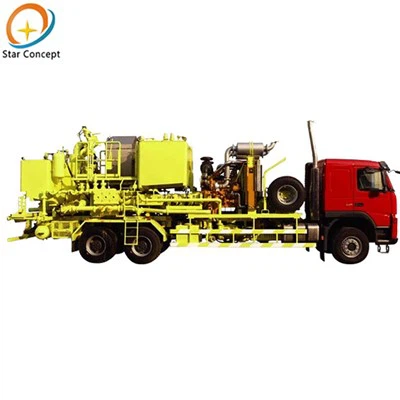
As a supplier, I understand the importance of these safety features. That’s why we only offer instruments that meet the highest safety standards. We work closely with manufacturers to ensure that the instruments we supply are equipped with the latest and most effective safety features.
Solid Control System If you’re in the market for instrumentation and you’re looking for products that prioritize safety, we’d love to have a chat with you. Whether you’re a small business owner, a researcher, or an engineer, we can help you find the right instruments for your needs. Contact us to start the procurement process and let’s work together to make your instrumentation setup safe and efficient.
References
- National Electrical Code (NEC)
- International Electrotechnical Commission (IEC) standards
- Instrumentation and Control Systems Handbook
Dongying Star Concept Petroleum Equipment Co., Ltd.
We are one of the most professional instrumentation manufacturers and suppliers in China. With abundant experience, we warmly welcome you to buy durable instrumentation made in China here from our factory. Good service and quality products are available.
Address: No. 9 Xisi Road, Dongying City, Shandong Province, China
E-mail: ellen@starconcept.cn
WebSite: https://www.star-cementing.com/
