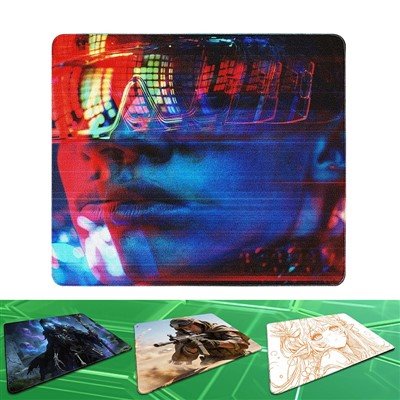
When exploring the realm of computer peripherals, the flat mouse pad often emerges as an understated yet essential component. As a dedicated supplier of flat mouse pads, I’ve had the opportunity to delve deeply into the properties that make these products stand out. One such property is absorbency, a characteristic that might not be the first thing that comes to mind when considering a mouse pad but is nonetheless significant. Flat Mouse Pad
Understanding Absorbency in Flat Mouse Pads
Absorbency refers to the ability of a material to take in and retain a liquid. In the context of a flat mouse pad, this mainly pertains to the capacity to soak up spills, such as water, coffee, or sweat that might come into contact with its surface. The level of absorbency can vary greatly depending on the materials used in the manufacturing process.
Materials and Their Impact on Absorbency
Mouse pads can be crafted from a variety of materials, each with its own unique absorbency profile. Here are some common materials and how they fare in terms of absorbency:
- Cloth: Cloth mouse pads are renowned for their high absorbency. The porous nature of fabric allows it to soak up liquids quickly. This can be extremely useful in a workspace where accidental spills are a common occurrence. The fibers in the cloth trap the liquid, preventing it from spreading to other areas, such as your keyboard or laptop. However, while the cloth can absorb a significant amount of liquid, it may take some time to dry completely. If not dried properly, it can develop a musty odor or even become a breeding ground for bacteria.
- Rubber: Rubber mouse pads generally have low absorbency. Rubber is a non – porous material, which means it resists the penetration of liquids. Instead of absorbing spills, the liquid will tend to bead up on the surface. This can be advantageous in some situations as it makes it easy to wipe away the liquid. However, if the spill is not cleaned up promptly, the liquid can seep into the edges or the base of the mouse pad, potentially causing damage over time.
- Plastic: Similar to rubber, plastic mouse pads are also low in absorbency. They are smooth and non – porous, causing liquids to slide off the surface. This makes them very easy to clean, as a simple wipe with a damp cloth can remove most spills. Plastic mouse pads are a good choice for environments where hygiene is a concern, as they are less likely to harbor bacteria compared to cloth mouse pads.
Why Absorbency Matters
The absorbency of a flat mouse pad can have several practical implications for users.
Protection of Equipment
In a modern workspace, electronic devices such as computers and laptops are often in close proximity to the mouse pad. A spill on the mouse pad can quickly spread to these valuable pieces of equipment, causing damage to internal components and potentially leading to costly repairs or replacements. A mouse pad with high absorbency can act as a buffer, absorbing the liquid and preventing it from reaching the electronics.
Comfort and Hygiene
For users who spend long hours using a computer, sweat can be a common issue. A mouse pad with good absorbency can soak up the sweat from the user’s hand, keeping the surface dry and comfortable to use. Additionally, by preventing the accumulation of sweat, the mouse pad can maintain a more hygienic environment, reducing the risk of skin irritation and odor.
Aesthetics and Longevity
A clean and well – maintained mouse pad not only looks better but also lasts longer. A mouse pad that can absorb spills effectively is less likely to develop stains and discoloration over time. This helps to preserve the appearance of the mouse pad and extends its usable life.
Measuring Absorbency
Measuring the absorbency of a flat mouse pad is not a straightforward process, as it depends on several factors, including the type of material, the thickness of the pad, and the surface area. However, there are some common methods used to evaluate absorbency.
Gravimetric Analysis
One of the most reliable ways to measure absorbency is through gravimetric analysis. This involves weighing the mouse pad before and after it has been exposed to a known amount of liquid. The difference in weight represents the amount of liquid absorbed by the pad. For example, if a dry mouse pad weighs 100 grams and after being soaked in water and allowed to drain for a certain period it weighs 120 grams, then the pad has absorbed 20 grams of water.
Absorption Rate
The absorption rate is another important metric. It measures how quickly a mouse pad can absorb a liquid. To determine the absorption rate, a small amount of liquid is placed on the surface of the mouse pad, and the time it takes for the liquid to be fully absorbed is recorded. A faster absorption rate indicates a more absorbent mouse pad.
Our Flat Mouse Pads and Absorbency
As a supplier of flat mouse pads, we understand the importance of absorbency and its impact on the user experience. That’s why we offer a wide range of mouse pads made from different materials to meet the diverse needs of our customers.
Cloth Mouse Pads for High Absorbency
Our cloth mouse pads are designed to provide maximum absorbency. We use high – quality fabrics that are not only soft and comfortable to use but also have excellent absorption properties. These mouse pads are ideal for users who are prone to spills or for workspaces where a liquid – resistant barrier is needed. Additionally, we ensure that our cloth mouse pads are treated to prevent the growth of bacteria and odor, so users can enjoy a clean and fresh – smelling workspace.
Rubber and Plastic Mouse Pads for Low – Maintenance Use
For customers who prefer a low – maintenance option, our rubber and plastic mouse pads are a great choice. These mouse pads have low absorbency, which means they are easy to clean and resistant to stains. They are perfect for environments where spills are less likely to occur or where a quick wipe – down is all that’s needed to keep the mouse pad looking clean.
Conclusion
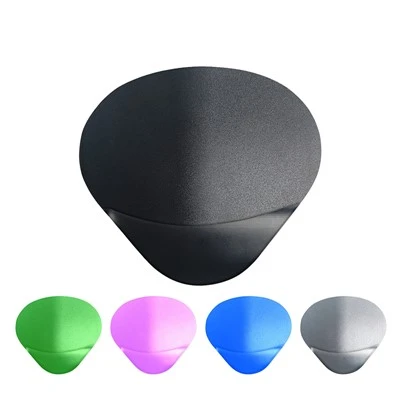
The absorbency of a flat mouse pad is an important characteristic that can have a significant impact on its performance and usability. Whether you’re looking for a highly absorbent cloth mouse pad to protect your equipment from spills or a low – maintenance rubber or plastic mouse pad for easy cleaning, there is a solution available to meet your needs.
Flat Mouse Pad If you’re interested in learning more about our flat mouse pads or would like to discuss a potential purchase, we encourage you to reach out to us. We’re always happy to provide more information, offer product samples, and work with you to find the perfect mouse pad solution for your specific requirements.
References
- ASTM International. Standard Test Methods for Water Absorption of Plastics. ASTM D570 – 98(2018).
- Textile Institute. Handbook of Textile Testing and Quality Control. Woodhead Publishing, 2012.
- International Organization for Standardization. ISO 9073 – 6:2000 Textiles — Test methods for non – woven fabrics — Part 6: Determination of water absorption.
Guangdong S&L Polymer Materials Co., Ltd.
Guangdong S&L Polymer Materials Co., Ltd. is one of the most experienced flat mouse pad manufacturers and suppliers in China, featured by quality products and good service. Please feel free to buy durable flat mouse pad in stock here and get free sample from our factory. We also accept customized orders.
Address: B2 Building, No.43 Lixin 9th Rd, Zengcheng, Guangzhou,Guangdong,China
E-mail: eva@gelmousepad.com.cn
WebSite: https://www.slmousepad.com/
