If you’ve ever ordered a winding or spare part for a motor, generator, or transformer, you know how much work goes into making those things. We’ve shipped thousands of them over the years, and we’ve seen just about every kind of damage that can happen during transport—stuff that makes customers say, “Wait, that’s not how it left your shop?” The truth is, windings are fragile, and even a tiny bump or vibration can mess up their insulation, bend thin copper wires, or loosen connections. I’m not here to give you a stuffy, textbook list—this is the real deal, stuff we’ve learned from our own mistakes and working with installers, maintenance teams, and factory folks for years. Windings & Spare Parts
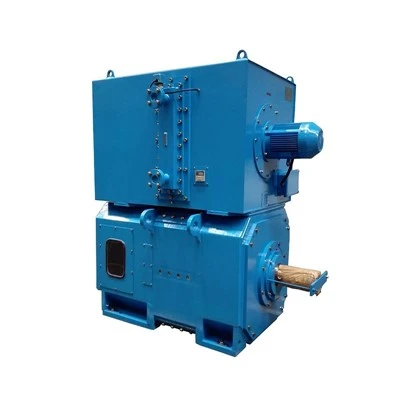
First off, let’s talk about what windings actually are, in simple terms. They’re coils of copper or aluminum wire wrapped tight, covered in that special insulating material that keeps electricity from shorting out. That insulation is super tough, but it’s not unbreakable. A hard knock can crack it, leaving little nicks that might not show up until the part is already installed—then you’ve got a huge problem, way worse than seeing a scuffed box. Even constant vibration from a truck bouncing down the highway can make the wires rub against each other, wearing down that insulation over time. And if the winding isn’t secured right in its crate, it can slide around during turns or stops, leading to bent leads or broken connections that you can’t just fix on site.
Let’s start with packing, because that’s the first line of defense. I swear, half the damage we see is from lazy packing—just tossing a winding in a cardboard box and taping it up. No. Windings need custom crates, not one-size-fits-all boxes. The crate should be sized exactly to fit the winding, no extra space to move around. If there’s even an inch of wiggle room, that’s enough for disaster. We use solid wood crates, not the flimsy particleboard ones, because they hold their shape even if they get stacked on top of another crate. Inside the crate, we line every surface with a thick, closed-cell foam—this isn’t the cheap pink stuff you use for cushioning in a moving truck. Closed-cell foam is water-resistant, doesn’t crumble over time, and absorbs impact way better. For the winding itself, we wrap it in a layer of acid-free tissue paper first—no regular paper, because that has chemicals that can react with the insulation and cause it to break down slowly. Then we add a layer of bubble wrap, but not the thin kind. We use 3/16-inch bubbled wrap, the heavy duty stuff that’s used for industrial parts. We also tape the wrap only on the edges, not all over the surface, so we don’t leave sticky residue that can damage the insulation.
Next, securing the winding inside the crate. This is the part most people skip, and it’s a game-changer. We don’t just set the winding on the bottom of the crate. We cut foam supports that cradle both ends of the winding, like a pillow for a fragile item. If it’s a larger winding, we add a middle support too, so there’s no sagging. We also use heavy duty nylon straps to hold the winding tight to the foam supports, not the crate walls. Wait, and we make sure the leads—those thin wires that stick out to connect the winding to the rest of the machine—are tucked away properly. We wrap them in extra foam, and we tape them to the inside of the crate, not letting them hang loose. If a lead gets yanked during transport, even a little, it can break inside the insulation, and you’ll never see it until you turn the machine on. That’s a headache we all want to avoid.
Then there’s the stuff that happens outside the crate: handling during shipping. We work with carriers, and we tell them upfront that windings are fragile, high-priority cargo. We mark the crates clearly with big “FRAGILE” and “THIS SIDE UP” labels, but we also add a note that says “INDUSTRIAL WINDINGS, DO NOT STACK HEAVY ITEMS ON TOP.” Carriers say they take those notes seriously, but sometimes they don’t, so we also add secondary markings on the sides and bottom, not just the top. We also use moisture indicators inside every crate, because windings hate humidity. If a crate gets rained on, or the air is super humid during transport, moisture can get into the crate and mess up the insulation. The indicator changes color if there’s too much moisture, so we can swap it out before sending it, and so can the receiver when it arrives. We also recommend using desiccant packs—those little silica gel bags, but the big industrial ones, not the tiny ones you get with a shoe. We put two or three in every crate, depending on the size of the winding.
Wait, let’s talk about different types of windings, because not all are the same. A small winding for a motor is way different than a large transformer winding for a power plant. For the small ones, we sometimes use protective plastic casings too—clear, hard plastic that fits over the winding, so there’s an extra layer between it and the foam. For the large ones, we use wooden frames to hold the winding in place, and we wrap the whole thing in a waterproof tarp before putting it in the crate. Large windings can also be susceptible to temperature changes—if they go from a cold warehouse to a hot truck, condensation can form. So we try to ship them when the weather is mild, or we add insulation blankets to the crates to keep the temperature stable. We also test this stuff ourselves: we shipped a large generator winding last winter in a crate without an insulation blanket, and when the customer opened it, there was a little bit of condensation. That’s when we learned our lesson—now every large winding gets insulation.
Another thing a lot of people overlook is labeling the contents and handling instructions clearly. No one wants to open a crate that’s marked “PARTS” and toss it next to a bunch of heavy machinery. We put our company name, the part number, and “WINDING” in big, bold letters on all sides of the crate. We also add our phone number, in case the driver or the warehouse has questions about how to handle it. I know it seems like overkill, but it’s saved us more than once. A driver once called us mid-shipment because the crate was leaning, and we told him to stop straight away and check the foam—turns out the carrier had stacked a heavy part on it, and we were able to fix it before any damage happened.
When you receive the winding, there are a few quick checks you should do right away, not just sign for it. First, inspect the outside of the crate for any holes, dents, or tears. If there’s a big dent in the side, that means it got knocked hard, so you need to open it carefully and check inside. Then, check the moisture indicator—if it’s changed color, that means there was moisture, and you should let the winding dry out before installing it. Don’t just ignore it. We’ve had customers open a crate, see that the outside is fine, and install it right away, only to find out the insulation was compromised from hidden damage. Taking 10 minutes to do a quick check can save you hours of downtime later.
Let’s get into the science a little, just to back this up—you don’t have to be an engineer to get it, but it helps. The insulation on windings is made of materials like mica, polyester, or varnish, all designed to hold up to heat and electricity. But they’re brittle, like old plastic, so when they get knocked or bent, they crack. Even a tiny crack can let moisture in, which causes corrosion, and that corrosion eats away at the wire, leading to shorts. The copper wires themselves are thin, especially in small motor windings, so they can bend or break if they’re not secured. Vibration is another big one—every time a truck hits a pothole, the crate bounces, and the winding moves a little, rubbing against the foam or the crate. Over hundreds of miles, that rubs through the insulation. So padding and securing aren’t just for big knocks—they’re for constant, small damage that adds up.
We also have a rule here at our shop: we never cut corners on packing. Even if a customer says “just put it in a box,” we still use the custom crate. We’ve had customers tell us that other suppliers use cheaper packing, and their windings arrived damaged. Those customers have come back to us because they trust that we’ll get their part to them in one piece. It’s not just about the packing, either—we work with carriers that specialize in industrial parts, not regular parcel services. Regular parcel trucks bounce way more, and the workers don’t know what fragile industrial parts are. So we only use carriers that have experience shipping windings, because they handle them with more care.
Wait, what about custom windings vs. spare parts? A lot of our business is custom windings, made to order for specific machines. Those are even more fragile, because they’re made to fit exactly, so there’s no extra space. For custom windings, we take measurements of every part, and we build the foam supports to match exactly. We also take photos of the winding before it goes into the crate, so if there’s any damage during shipping, we have proof for the carrier and our insurance. That’s another thing—taking pre-shipment photos saves a lot of hassle if something goes wrong. We’ve had a customer say a winding arrived damaged, and we pulled up the pre-shipment photos, showed it was fine when it left us, and the carrier paid for the replacement.
Let’s also talk about common mistakes that people make, so you can avoid them. First, not inspecting the crate before signing for it. A lot of drivers will rush you to sign the delivery slip, and if you don’t check the crate, you can’t file a claim for damage later. Second, using the wrong packing materials. Cheap foam, thin bubble wrap, regular paper—all of that can lead to damage. Third, not securing the leads. I can’t tell you how many times a customer has a lead broken because it was hanging loose in the crate. Fourth, stacking heavy items on top of winding crates. Even a 50-pound part on top of a winding crate is enough to crush the foam supports and bend the winding. Fifth, ignoring moisture. If the indicator is off, don’t just install the part—let it dry in a low-humidity space for a few days.
At the end of the day, preventing windings from getting damaged during transport is all about paying attention to the details. It’s not rocket science, but it takes care—care in packing, care in choosing the right carrier, care in checking before you sign for it. We’ve spent years refining our process, and we’ve gotten really good at it, but we still learn something new every time we ship a winding. If you’re in the market for windings or spare parts, don’t just go with the cheapest option. Go with someone who cares about getting your part to you in one piece, someone who’s been in the game long enough to know the small things that make a huge difference.

If you have questions about packing, or need help shipping your own windings, or just want to talk about a part you need, feel free to reach out. We’re here to help, not just sell you a part. Whether you’re a maintenance manager at a factory, an installer working on a power line, or someone who just needs a replacement winding for a machine, we’ve got your back. Let’s chat, and make sure your next winding arrives safe and sound.
MV Motor References
- Electrical Construction & Maintenance. "Best Practices for Transporting and Storing Motor Windings." 2022.
- National Electrical Manufacturers Association (NEMA). "Guidelines for Packaging and Shipping Electrical Components." 2021.
- Industrial Packaging Association. "Custom Crating for Fragile Industrial Equipment." 2020.
- Schneider Electric. "Handling and Storage of Medium-Voltage Windings." 2023.
- American Society for Nondestructive Testing (ASNT). "Pre-Delivery Inspection of Coil Windings." 2021.
Xian Putai Electric Motor Equipment Co., Ltd.
Xian Putai Electric Motor Equipment Co., Ltd. is one of the most professional windings & spare parts manufacturers and suppliers in China, also supports customized service with low price. Welcome to buy advanced windings & spare parts in stock here from our factory. If you have any enquiry about quotation, please feel free to email us.
Address: Haibo Guangchang Fengcheng Nine Road Economical & Technological Development District Xi’an City Shaanxi Province – China
E-mail: sales@putaimotor.com
WebSite: https://www.putaimotor.com/
