In the dynamic landscape of manufacturing, optimizing the production process of a Rotary Table Injection Molding Machine is a crucial endeavor for any supplier aiming to stay competitive. As a supplier of Rotary Table Injection Molding Machines, I understand firsthand the challenges and opportunities that come with enhancing the efficiency and effectiveness of these machines. In this blog post, I will share some insights and strategies on how to optimize the production process of a Rotary Table Injection Molding Machine. Rotary Table Injection Molding Machine

Understanding the Basics of a Rotary Table Injection Molding Machine
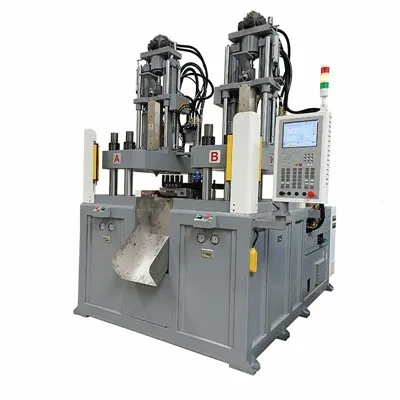
Before delving into optimization strategies, it is essential to have a solid understanding of the basic components and operation of a Rotary Table Injection Molding Machine. A Rotary Table Injection Molding Machine is a specialized piece of equipment used in the manufacturing industry to produce plastic parts. It consists of a rotating table that holds multiple molds, an injection unit that melts and injects plastic material into the molds, and a clamping unit that holds the molds together during the injection process.
The rotating table allows for simultaneous processing of multiple parts, significantly increasing production efficiency. As the table rotates, different operations can be performed on each mold, such as injection, cooling, and ejection. This continuous cycle of operations enables the machine to produce a large number of parts in a relatively short period.
Optimizing the Production Process
1. Mold Design and Selection
The design and selection of molds play a vital role in the overall performance of a Rotary Table Injection Molding Machine. A well-designed mold can improve the quality of the finished parts, reduce cycle times, and minimize material waste. When designing molds, it is important to consider factors such as part geometry, gate location, cooling channels, and ejection mechanisms.
- Part Geometry: The shape and size of the part can have a significant impact on the injection molding process. Complex geometries may require multiple gates or special molding techniques to ensure proper filling and packing of the mold. By optimizing the part design, it is possible to simplify the molding process and reduce cycle times.
- Gate Location: The gate is the opening through which the molten plastic enters the mold cavity. The location of the gate can affect the flow pattern of the plastic, the distribution of pressure, and the appearance of the finished part. By carefully selecting the gate location, it is possible to minimize weld lines, improve part strength, and reduce the risk of air traps.
- Cooling Channels: Efficient cooling is essential for reducing cycle times and improving the quality of the finished parts. The design of the cooling channels should ensure uniform cooling throughout the mold cavity, minimizing shrinkage and warpage. Advanced cooling techniques, such as conformal cooling, can further enhance the cooling efficiency and reduce cycle times.
- Ejection Mechanisms: The ejection mechanism is responsible for removing the finished parts from the mold cavity. A reliable and efficient ejection mechanism is crucial for preventing part damage and ensuring smooth operation of the machine. By optimizing the ejection mechanism, it is possible to reduce cycle times and improve the overall productivity of the machine.
2. Material Selection and Handling
The selection and handling of plastic materials can also have a significant impact on the production process of a Rotary Table Injection Molding Machine. Different plastic materials have different properties, such as melt flow index, viscosity, and shrinkage rate. By selecting the right material for the application, it is possible to improve the quality of the finished parts, reduce cycle times, and minimize material waste.
- Material Selection: When selecting a plastic material, it is important to consider factors such as part requirements, processing conditions, and cost. The material should have the appropriate mechanical, thermal, and chemical properties to meet the requirements of the application. It is also important to ensure that the material is compatible with the injection molding machine and the mold.
- Material Drying: Many plastic materials absorb moisture from the atmosphere, which can affect their processing properties and the quality of the finished parts. Therefore, it is important to dry the plastic materials before processing to remove any moisture. The drying process should be carefully controlled to ensure that the material is dried to the appropriate level without overheating or degrading.
- Material Feed System: The material feed system is responsible for conveying the plastic material from the hopper to the injection unit. A reliable and efficient material feed system is crucial for ensuring a consistent flow of material and preventing blockages or bridging. By optimizing the material feed system, it is possible to reduce cycle times and improve the overall productivity of the machine.
3. Machine Setup and Calibration
Proper machine setup and calibration are essential for ensuring the optimal performance of a Rotary Table Injection Molding Machine. A well-set-up machine can improve the quality of the finished parts, reduce cycle times, and minimize downtime. When setting up the machine, it is important to follow the manufacturer’s instructions and guidelines carefully.
- Machine Assembly: The machine should be assembled correctly according to the manufacturer’s instructions. All components should be tightened properly, and the alignment of the machine should be checked to ensure smooth operation.
- Parameter Setting: The injection molding process is controlled by a number of parameters, such as temperature, pressure, speed, and time. These parameters should be set correctly according to the material and the part requirements. The parameter setting should be optimized through trial and error to achieve the best results.
- Machine Calibration: Regular machine calibration is necessary to ensure the accuracy and repeatability of the injection molding process. The machine should be calibrated for temperature, pressure, speed, and other critical parameters on a regular basis. Calibration should be performed by a qualified technician using appropriate calibration equipment.
4. Process Monitoring and Control
Continuous monitoring and control of the injection molding process are essential for ensuring the quality and consistency of the finished parts. By monitoring the process parameters in real-time, it is possible to detect and correct any issues before they result in defective parts or machine downtime.
- Sensor Installation: Sensors can be installed on the machine to monitor various process parameters, such as temperature, pressure, speed, and position. These sensors can provide real-time data on the process conditions, allowing operators to make adjustments as needed.
- Data Analysis: The data collected from the sensors can be analyzed using statistical process control (SPC) techniques to identify trends and patterns in the process. By analyzing the data, it is possible to detect any potential issues and take corrective actions before they result in defective parts or machine downtime.
- Process Automation: Process automation can further enhance the efficiency and consistency of the injection molding process. Automated systems can be used to control the machine parameters, monitor the process conditions, and perform other tasks, such as part ejection and quality inspection. By implementing process automation, it is possible to reduce labor costs, improve productivity, and enhance the overall quality of the finished parts.
5. Maintenance and Upkeep
Regular maintenance and upkeep of the Rotary Table Injection Molding Machine are essential for ensuring its long-term performance and reliability. A well-maintained machine can operate more efficiently, produce higher quality parts, and have a longer service life.
- Preventive Maintenance: A preventive maintenance schedule should be established to ensure that the machine is regularly inspected, cleaned, and lubricated. Preventive maintenance can help to identify and address potential issues before they result in machine breakdowns or downtime.
- Repair and Replacement: If any parts of the machine are damaged or worn out, they should be repaired or replaced immediately. Using high-quality replacement parts and following the manufacturer’s recommendations for repair and replacement can help to ensure the proper functioning of the machine.
- Operator Training: Proper operator training is essential for ensuring the safe and efficient operation of the Rotary Table Injection Molding Machine. Operators should be trained on the machine’s operation, maintenance, and safety procedures. Regular training sessions can help to keep operators up-to-date on the latest technologies and best practices in injection molding.
Conclusion
Optimizing the production process of a Rotary Table Injection Molding Machine is a complex and ongoing process that requires a combination of technical expertise, process knowledge, and continuous improvement. By implementing the strategies discussed in this blog post, such as optimizing mold design, selecting the right materials, setting up the machine correctly, monitoring and controlling the process, and performing regular maintenance, it is possible to improve the efficiency, quality, and productivity of the injection molding process.
Tiebarless Injection Moulding Machine As a supplier of Rotary Table Injection Molding Machines, we are committed to helping our customers optimize their production processes and achieve their manufacturing goals. If you are interested in learning more about our machines or how we can help you optimize your injection molding process, please feel free to contact us to discuss your specific requirements and explore potential opportunities for collaboration.
References
- Throne, J. L. (2001). Plastics Process Engineering. Marcel Dekker.
- Rosato, D. V., & Rosato, D. V. (2004). Injection Molding Handbook. Kluwer Academic Publishers.
- Beaumont, J. (1999). Runner and Gating Design Handbook. Hanser Gardner Publications.
Guangdong Baizan Intelligent Equipment Co., Ltd.
We are one of the most professional rotary table injection molding machine manufacturers and suppliers in China. We warmly welcome you to buy customized rotary table injection molding machine at competitive price from our factory. If you have any enquiry about pricelist and quotation, please feel free to email us.
Address: No.8, Jianye Road, Dahuai Town, Enping City, Jiangmen City, Guangdong
E-mail: wjx@baizanjx.com
WebSite: https://www.baizanplast.com/
